3_Shape-programmable lamellar aerogel pressure sensing
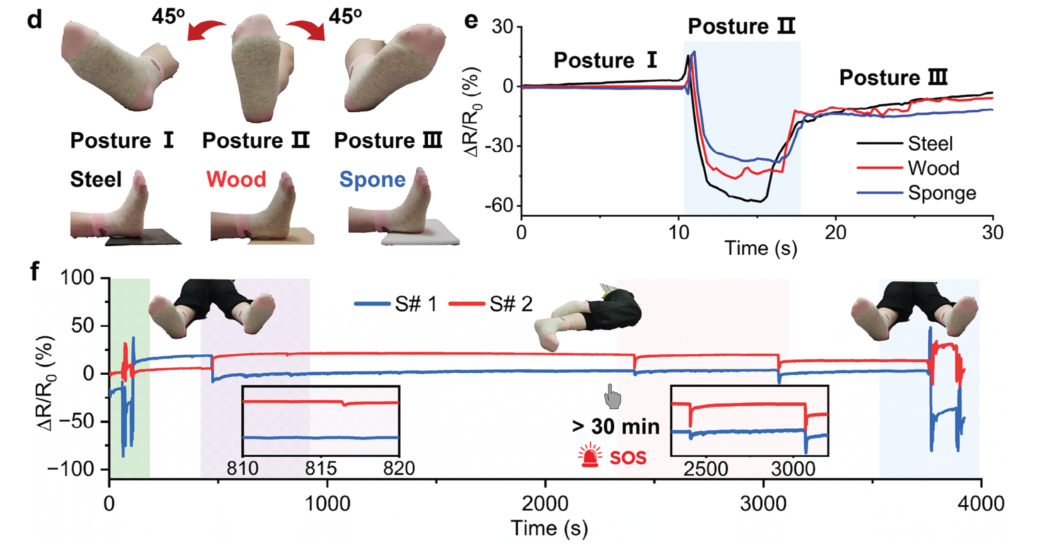
Figure 0: Demonstration of the application during sleep.
🗓 Published: October 2024
📚 Journal/Conference: Advanced Functional Materials
🔍 Abstract
- The work introduces a lamellar shape-memory conductive (LSMC) aerogel for pressure sensing.
- The lamellar structure enables excellent compression properties, supporting high sensitivity and wide detection range for wearable electronics.
- Application focus: bedridden patients — for pressure injury prevention.
💭 Some thoughts I had while reading:
- The paper frequently uses the word subtle — but what’s the actual resolution requirement for their application?
- (And… same question for myself!)
🧗♂️ Technical Challenges
Detecting subtle and dynamic motions requires:
- High sensitivity
- Wide sensing range
- Control of material modulus via microengineering strategies:
- Porous layers
- Micropatterned structures
- Multilayer-filled designs
Conformal attachment to irregular and dynamic skin surfaces remains a significant challenge.
🌟 Methodology
🧩 LSMC Aerogel Fabrication
Recently, freezing-based methods have gained popularity in structural design for sensors.
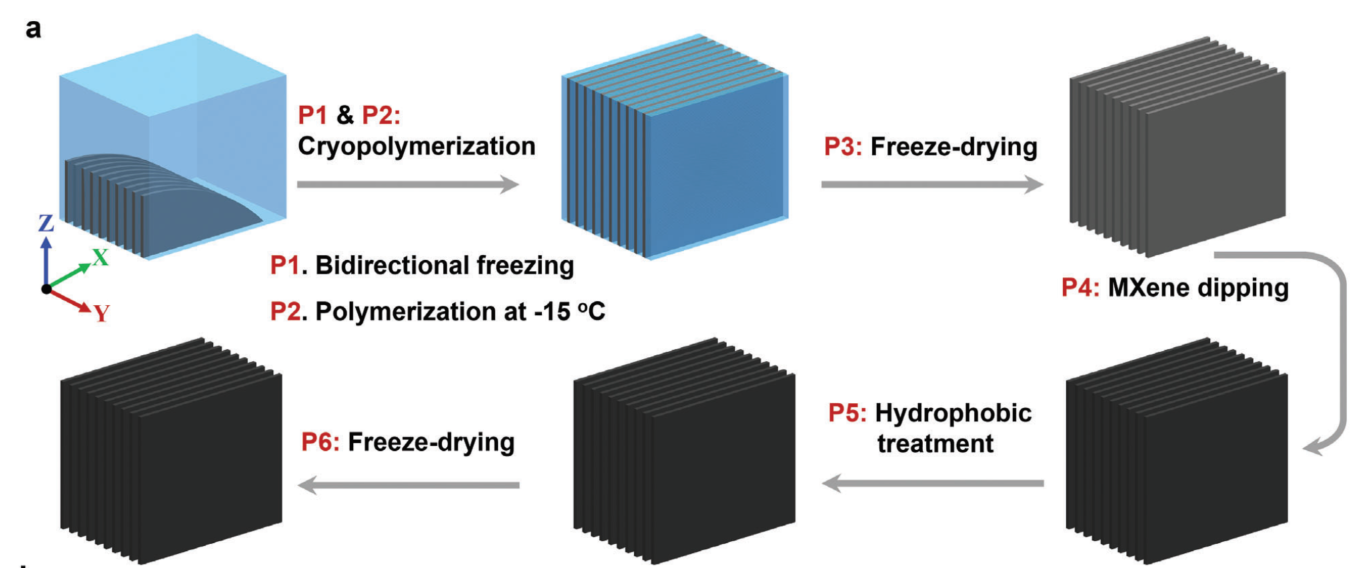
Figure 2: Illustration of the fabrication process of the LSMC aerogel
🔍 What I’ve learned:
Cryopolymerization is a polymerization process carried out at sub-zero temperatures, where ice crystals act as a template to form highly porous polymer networks upon thawing.
🔁 Mechanical Properties
Compressive Resilience
- Traditional isotropic aerogels deform plastically under large compressive strain — not ideal for flexible electronics.
- Here, the researchers used bidirectional freezing to guide ice crystal growth, forming anisotropic lamellar pores that offer better elastic recovery.
📘 What I’ve learned:
Isotropic materials have identical properties in all directions, whereas anisotropic materials exhibit direction-dependent behavior due to structural or molecular orientation.
❓ My question: What about PDMS and graphene?
🧠 Current answer:
- PDMS: isotropic
- Graphene: anisotropic
- Composite behavior depends on graphene’s dispersion or alignment within the PDMS matrix.
🤖 Pressure Sensing Performance
- The LSMC aerogel-based electronics show:
- High sensitivity: 1.42 kPa⁻¹
- Wide sensing range: up to ~164 kPa
- Durability: Maintains performance over 3500 compression cycles at 1 kPa.
🔁 Shape-Memory Performance
- Exhibits a melting–crystallization transition, supporting thermally triggered shape-memory effect (SME).
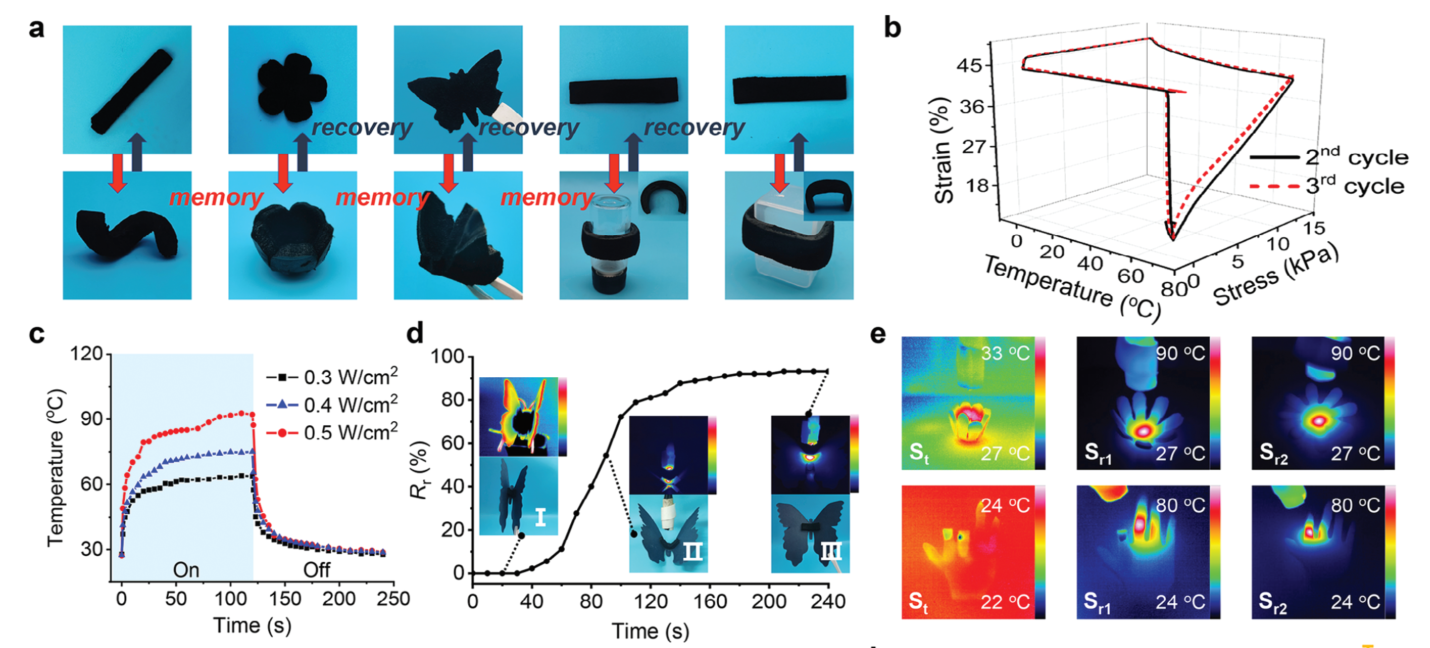
Figure 3: Shape-memory properties of the LSMC aerogel.
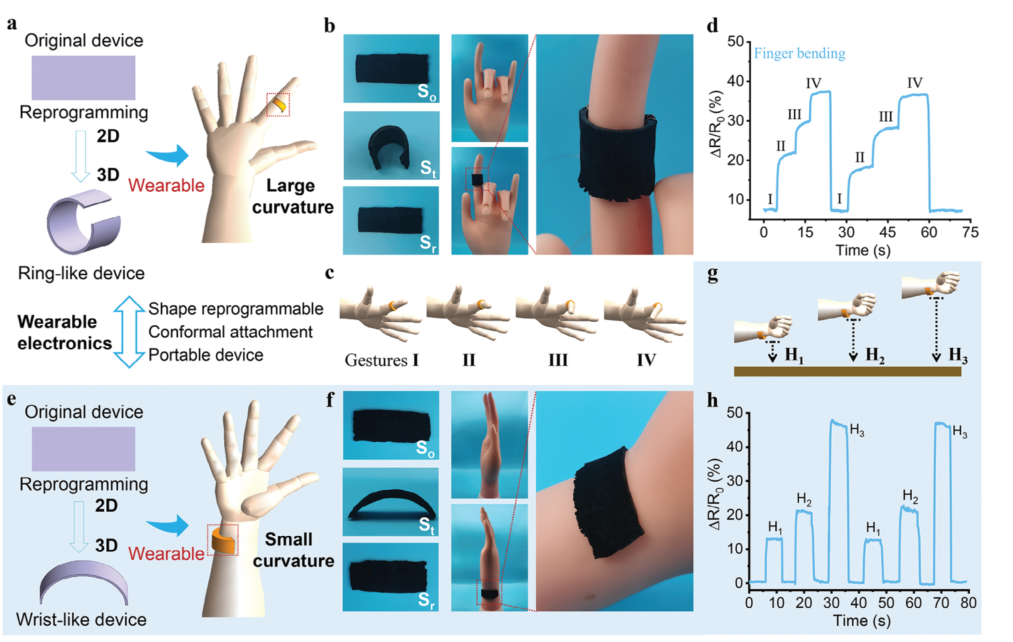
Figure 4: Programming 3D electronics on curved surfaces using SME.
❓ My question:
- When the electronics change shape, is recalibration needed?
- Does the sensitivity change after deformation?
📧 I should consider emailing the authors to ask.
🧪 A Proof-of-Concept System
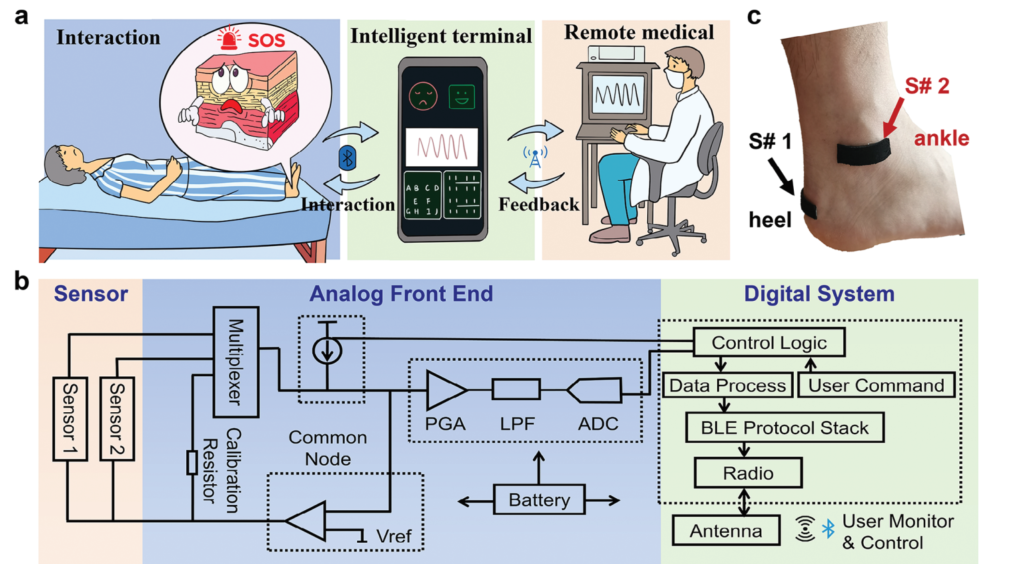
Figure 5: Point-of-care pressure monitoring system for injury prevention.
🧠 Reflections
This paper reminds me that sensing materials and structures are inseparable. The structure isn’t just passive — it’s part of the intelligence. The idea of embedding shape-memory into the mechanical backbone is so clever.
It also prompts me to think about my own work:
- Should I consider adding shape-memory components?
- How would anisotropy affect my insole design?
3_Shape-programmable lamellar aerogel pressure sensing
https://emilypeng2017.github.io/2025/05/25/3_shape programmable/